



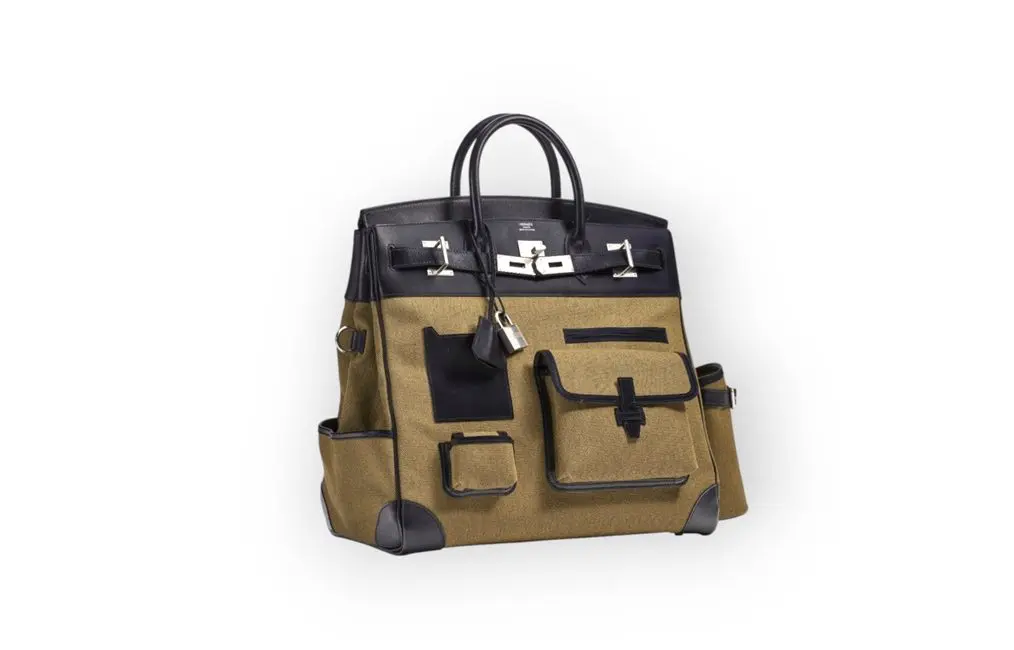
A Hermes bag is one of those super-premium accessories that people go crazy for. And it’s no wonder – they’re made with the finest craftsmanship, top-notch materials, and timeless style. But with great demand comes great temptation for counterfeiters, so it’s super important to know how to spot the real deal.
Whether you’re in the market for a Birkin, Kelly, or Constance, learning to authenticate a Hermes bag will save you from costly mistakes and help you find a genuine piece that’ll hold its value.
Why Authentication is Key?
Authentic Hermes bags can be a sound investment – they can even appreciate in value over time, making them a great buy for collectors and fashion enthusiasts. But counterfeit bags? Forget about it. They’re junk, and they’ll only leave you out of pocket.
By learning how to authenticate Hermes bag, you’ll be protecting yourself from scams and making more informed purchasing decisions.
Take a Close Look at the Craftsmanship
Hermes bags are handcrafted with care – and that’s what makes them so special. Skilled artisans spend hours, even days, working on each piece to get it just right.
When you’re checking out a Hermes bag, look out for:
- Stitching that’s just so even and symmetrical
- Seams that are crisp and clean
- Perfectly aligned edges
- Crisp folds on the fabric
Authentic Hermes bags rarely have loose threads or uneven stitching – and if they do, it’s a red flag. Counterfeit bags often just can’t match the level of quality that Hermes brings.
Check Out the Leather Quality
Hermes uses some of the finest leathers around – and you can tell a real one from a fake by the way it feels.
Look for leather that’s:
- Luxurious
- Supple
- Durable
- With a natural texture, not some fake or plastic-y look
Signs of good-quality Hermes leather include:
- Nice texture
- Great grain
- Soft but structured
- Nice and consistent coloring
Leather that looks cheap, is too shiny, or has a weird texture is likely to be a fake.
Check the Hermes Stamp
The Hermes stamp is one of the most important things to check when authenticating a Hermes bag. It’s on the front of the bag, and it should read:
“HERMÈS PARIS MADE IN FRANCE”
When checking the stamp, look out for:
- Lettering that’s sharp and clean, not blurry or uneven
- Proper spacing between the letters
- Good depth and definition to the letters
- Centre the stamp just right
Authentic stamps look elegant and precise. Fakes often have stamps that are too deep, too shallow, or just plain wonky.
Check the Stitching
Hermes uses a special saddle-stitching technique that makes their bags so strong and long-lasting.
Look for stitching that’s:
- A bit angled
- Uniform in size
- Consistent all over the bag
- Neat and precise
Lots of counterfeits use machine stitching that looks a bit too perfect – or just plain rubbish.
Check the Hardware
Hermes hardware is made to be top-notch and long-lasting.
When checking hardware, look for:
- Smooth finishes
- Weighty, not lightweight or hollow
- Engravings that are crisp and clean
- Nice and consistent coloring
Authentic hardware should feel solid, not flimsy. And the engravings should be sharp and clear, not fuzzy.
Check the Date Stamp and Artisan Marks
Lots of Hermes bags have a date stamp that tells you when it was made. It might be a letter in a shape or a new coding system.
Also, many bags have artisan marks that tell you who made the bag.
Look for:
- Clear markings
- Properly placed
- Consistent with the age of the bag
Because Hermes has changed its dating systems over time, you need to do some research on the specific model and year to get it right.
Check the Interior
The inside of a genuine Hermes bag is just as well-made as the outside.
Look out for:
- Good-quality lining
- Nice interior pockets
- Leather that’s consistent all over
- Edge finishing that’s neat and clean
Authentic interiors should feel luxurious and well-constructed. Sloppy workmanship, cheap materials or mismatched colours are all signs of a fake.
Check the Packaging
While packaging can give you some clues, it’s not enough on its own to prove authenticity. But if you’re buying from a reputable seller, you might get:
- A signature orange box
- Dust bag
- Care booklet
- Ribbon packaging
But be aware that counterfeiters often copy packaging too, so don’t rely on it alone.
Compare with Verified Examples
One of the best ways to figure out if you’re dealing with a genuine Hermes bag is by comparing it with some verified ones – this makes all the difference.
Examine This
- Check the dimensions – don’t be afraid to get out the measuring tape
- Look at the stitching patterns – you want to make sure they’re consistent and not all over the place
- Take a look at where the hardware is placed – is it spot on or way off?
- Inspect the logo – is it clear and crisp or muddled and poorly done
- Examine the shape of the handle – is it perfect or a bit wonky
Even tiny differences can tell you straight away whether the bag is real or a fake.
Luxury collectors often use trusted sources and guides to compare the model they’re interested in.
Seek Real Expert Help When You Need It
When you’re buying an expensive Hermes bag, get a professional to check it out. They’re the ones who really know what they’re looking at.
Expert authenticators inspect all sorts of things including:
- Materials used
- How it was made
- Any stamps or markings
- The quality of the hardware
- Production history
These services can give you the peace of mind that you really need when buying something rare and valuable through a resale platform, at an auction or from a private seller.
So What’s the Warning Signs
There are certain red flags that should have you raising your eyebrows fast:
- Prices that are just too good to be true
- Missing or incorrect stamps
- The stitching is poor quality
- The hardware is light as a feather
- Dimensions are all over the place
- Sellers with no proven track record
- No history of the bag being sold before
If multiple of these warning flags come up, its best to be very careful or avoid the purchase altogether.
The Bottom Line
Learning to spot a genuine Hermes bag is a vital skill for any serious luxury buyer or collector. From the craftsmanship to the leather quality to the stamps and stitching, every little detail helps to figure out whether something is the real deal or a fake.
Because these bags are such a big investment, taking the time to inspect them properly can save you a whole heap of trouble and ensure you get the quality and value that you pay for. If in doubt, it still pays to get a professional to double check – at the end of the day, they’re the ones who really know what they’re doing.
