




The luxury watch market is undergoing a seismic shift & its the women who are at the forefront of this revolution . What was once a male-dominated space of oversized chronographs & heritage-rich complications has evolved into a vibrant landscape where women’s luxury watches are leading the charge.
Executive Snapshot: Why Women’s Luxury Watches Are Suddenly So Popular
Women’s luxury watches are the growth story of the moment in the world of horology & the numbers back it up . Industry insiders put the women’s luxury watch market at around $9-11 billion in 2024 & predict it’ll exceed $12.5-13.5 billion by 2035. That’s much faster than the broader luxury watch market – which is growing at around 3-5% a
year . Compare that with the women’s watch market as a whole, which is only growing at 2.5-3%.
When you look at it in more detail, the women’s watch market breaks down into different price bands – with luxury watches (defined as those over $1,000) showing way more growth than casual or mid-range watches. Several market analysts say the luxury band is growing at 5-6% a year while the wider market is only growing at 2-3% . This tells us that women are increasingly looking for high-quality timepieces that are also a statement of status.
So what’s driving this growth? Well, there are several factors all coming together at once . Rising female incomes across the globe, a cultural shift from being given watches by others to buying them for ourselves, the rise of smart luxury watches that combine traditional watchmaking with technology, and the increasing influence of online shopping. All these factors have come together to make women’s luxury watches the segment to watch – literally !
Market Size & Growth: Putting the Women’s Luxury Watch Market in Numbers
The women’s watch market is a pretty big deal – it’s listed at around $29-30 billion in 2024. But within that market, the luxury tier is leading the charge – and it’s growing way faster than the rest of the market . In fact, forecasts suggest the women’s luxury watch market will be worth around $9.0 – 11.1 billion in 2024-2025 & around $12.5-14.0 billion by 2033-2035. That’s a big jump & shows just how much the luxury tier is taking off.
Growth rate comparisons illuminate the luxury segment’s outperformance:
| Segment | Projected CAGR | Notes |
|---|---|---|
| Women’s luxury watches | 3.0–8.0% | Varies by source and sub-segment |
| Broader women’s watch market | 2.6–5.0% | Includes all price tiers |
| Overall luxury watches (all genders) | ~4.5% | Global average |
What’s interesting is that high-end watches (those over $1,000) are gaining market share from more affordable watches. That means women who might previously have bought multiple affordable watches are now opting for fewer, higher-quality timepieces that are both beautiful to look at & serve as a personal statement.
This trend is also driven by the growing interest in mechanical & high-end analog watches among female buyers. And while smart luxury watches are still flying up the charts, traditional luxury watches with automatic movements & artisanal finishing are also gaining traction as investment pieces.
Key Growth Drivers Behind Women’s Luxury Watches
So what’s really behind this growth? A combination of economic, cultural & technological factors are all coming together to make women’s luxury watches the fastest growing segment in the global watch market.
One key driver is the rise of female disposable income across the globe. In places like Asia, America & Europe, more women are in senior professional roles & earning the kind of money that enables them to indulge in luxury purchases. This is a structural shift rather than a short-term trend – women are now a bigger share of high-net-worth individuals than ever before.
Another important factor is the shift from being given watches by others to buying them for ourselves. Historically, luxury watches for women came as gifts marking special occasions. But today, women are more likely to purchase a watch to celebrate a personal milestone – like a promotion, a special birthday or simply as a reward for themselves. This changes the way watch brands approach their marketing & product development – its now all about meeting the needs & desires of women themselves.
Women’s luxury timepieces occupy a rather unique space, where status, style, and functionality all intersect in a single piece. A watch can be dressed up as sophisticated jewelry for a night out on the town, radiate confidence in a boardroom setting, and also track fitness metrics during a morning workout. In doing so, they justify a premium price tag, and drive up demand across a wide range of demographic groups.
Digital marketing & social media have levelled the playing field when it comes to aspiration, with the likes of Instagram, TikTok & YouTube basically turning specific models – think steel sports watches with diamond bezels, two-tone bracelets & mother of pearl dials into objects of desire that appeal to all sorts of age groups & geographies. When a fashion influencer or celebrity ambassador gives a particular model a shout out, the resulting interest can send waitlists & secondary market prices soaring overnight.
One of the most significant changes is the way that many women are starting to view certain luxury watches as investments rather than just accessories. Timepieces from heritage brands, iconic references with a proven resale value, and watches from smaller, independent makers with production constrained all get attention from buyers who see their purchase as a store of value rather than just something to wear. And the data backs this up – top-tier women’s watches like the Rolex Lady Datejust can appreciate 20-50% on the secondary market, which at the very least reinforces the idea that they’re a smart investment to make.
Segment Insights: Style, Tech & Price Bands in Women’s Luxury
Within the women’s luxury watch segment, you’ve got 3 distinct categories: premium analog watches, mechanical timepieces & smart luxury watches. Each of these has its own dynamics going on, but taken together, they’re driving the category’s explosive growth.
When we look at style and type, it’s clear that analog and mechanical luxury watches are still king, with some estimates suggesting that analog watches account for more than 90% of the overall women’s watch revenue. However, smart watches & hybrid smart luxury watch offerings that are designed specifically for women are growing fast, and bringing new buyers into the category who may later move up to more traditional mechanical watches. This creates a bit of a pipeline effect that’s good for the rest of the luxury segment by expanding the potential market.
Looking at the price range, it’s interesting to see where younger consumers & established collectors are putting their money. The $1,000-$5,000 bracket seems to be where the bulk of the volume sales are, with entry level models from brands like Longines and TAG Heuer, alongside more accessible Omega references. Meanwhile the $5,000+ tier – think Rolex, Cartier & Patek – drives the value growth & establishes brand prestige that filters down through the product lines. This creates opportunities right across the price range while maintaining that aspirational vibe at the upper end.
It’s also pretty clear that complications are no longer just for the guys. Women are increasingly interested in high-complication watches featuring moonphase displays, dual time zones & even tourbillons. The idea that women are just looking for jewelry-like presentation and not mechanical sophistication has turned out to be pretty outdated – today’s female collectors are often deeply engaged with movement architecture, finishing techniques & brand heritage.
Materials are also evolving to reflect fashion trends & changing attitudes towards the ethics of luxury goods. Stainless steel and two tone combinations remain core, offering durability & versatility, but we’re also seeing more women’s luxury collections incorporating ceramic elements for scratch resistance, ethical gold sourced from certified refiners, and lab-grown diamonds that tick both boxes of aesthetics and sustainability. This reflects changing consumer attitudes while still maintaining the premium positioning you’d expect in the luxury segment.
Regional Dynamics: Where Women’s Luxury Watches Are Growing Fastest
The global luxury watch market is a bit of a patchwork quilt, with Asia Pacific & North America emerging as the growth hotspots for women’s luxury watches, while Europe remains the heritage and manufacturing heartland.
Asia Pacific is arguably the most compelling growth story in women’s luxury timepieces. Women in this region already account for over 40% of luxury watch demand in certain markets, with rising middle-class populations & expanding high-net-worth demographics in China, India, Japan, South Korea and Southeast Asia driving sustained expansion. As the region becomes more urbanised, wealth is concentrating in major metropolitan areas where luxury retail infrastructure is developing. E-commerce platforms have been super successful in this region, enabling brands to reach affluent consumers in second tier cities that don’t yet have the traditional luxury boutique presence.
Even with that said, Europe’s significance extends way beyond consumption – its heritage & production capabilities are the backbone of the industry. Switzerland, France, Germany and Italy are home to the manufacturing & design studios that make the world’s most coveted women’s luxury watches. European consumers are particularly keen on craftsmanship & mechanical movements, often prioritising technical excellence & brand heritage over flashier aesthetic choices. This regional sensibility influences global product development and keeps Europe as a taste-making centre for the industry.
North America presents a distinct profile , where strong professional female purchasing power and high smart luxury watch penetration go hand in hand. The US and Canada have large populations of women who are highly focused on their careers and who blend their love of fashion with the need for practical functionality. For these women, luxury watches often need to tick a lot of boxes – not just looking stylish but also providing wellness, technology and status. A single high-end watch might be called upon to perform for the boardroom, the gym and an evening social gathering, which is why the mix of wellness, tech and status in women’s luxury watches really hits the mark in this market.
Gifting traditions in North America remain strong, and holidays and milestones are a major driver of seasonal demand for luxury watches.
The Middle East and Africa is another region where growth is accelerating, particularly in the Gulf states and key African cities. Places like Dubai, Riyadh and Johannesburg are particularly hotspots where female luxury spending – including watches – is on the increase, in line with the broader economic development in these regions. However, cultural factors that have historically limited women’s personal luxury purchases are changing, and this is creating new opportunities for brands to tap into the growing demand for luxury watches.
South America is an area that is emerging as a new opportunity for growth in the women’s luxury watch market. Countries like Brazil, Mexico and Chile are seeing rising demand for luxury watches, particularly through duty-free channels and boutique retail. Some projections suggest that the broader South America luxury watch market could be growing at a pretty impressive rate, with the women’s segment outpacing this average as economic development creates more affluent consumers. This is prompting brands to get more direct market presence in these emerging economies.
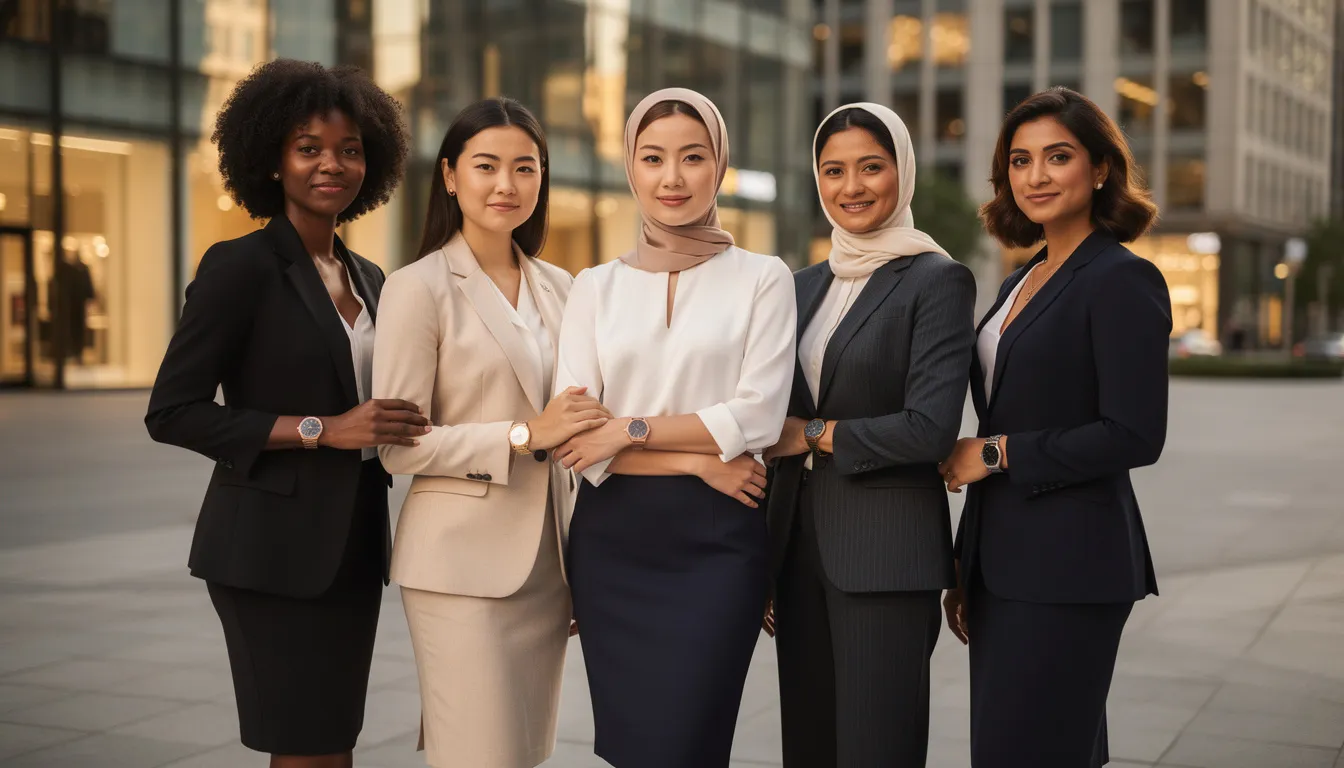
Consumer Profiles: Who is Driving Demand for Women’s Luxury Watches
The demand for women’s luxury watches spans across all age groups, but the way people interact with and buy these watches varies greatly depending on their age. Understanding these different consumer profiles helps us get an idea where the market is heading and where brands should be focusing their efforts.
The 18-24 age bracket represents the aspirational entry point into the luxury market. These younger consumers are highly influenced by social media and celebrity culture. They often develop brand loyalty and aesthetic preferences through digital exposure long before they make a big purchase. Entry level luxury watches, certified pre-owned options and smart luxury watches are all typically on the radar for this age group, with personal style often taking precedence over investment considerations.
Buyers in the 25-34 age bracket are the core growth drivers in the women’s luxury watch market. They have rising incomes, they’re advancing in their careers and they’re highly engaged with both digital marketing and physical retail. This age group accounts for most of the volume in the $1,000-5,000 price range, with certain iconic references serving as milestone purchases that mark professional achievements or personal celebrations. Tech savvy women in this bracket often own multiple watches for different occasions, and are comfortable switching between traditional luxury maisons and contemporary smart luxury brands.
The 35-44 age cohort is the dominant purchaser of classic , high-value watches that cost over $5,000. These buyers are all about striking a balance between investment value, brand heritage and refined aesthetics. They do a lot of research before committing to a big purchase, and are often driven by a desire for quality and style. They tend to be making self-purchases, but also receive and give luxury watches as gifts for significant life events.
Women over 45 are drawn to timeless designs, clear dials and comfortable wear. Heritage brands with a long history of recognition resonate strongly with this age group, as does the emotional appeal of passing on a luxury watch to children or grandchildren. This demographic often has a preference for watches made from precious metals, not just for their aesthetic appeal but also as a store of value. When it comes to shopping online, women in this age group tend to do a lot of research and compare prices, and often end up making their final purchase in-store where they can see and touch the watch.
Across all age groups, you’re starting to see a pattern of extensive self-research online followed by in-store validation. Cross-shopping between traditional luxury maisons and premium smartwatch brands has become the norm. Many women now own watches from both categories for different occasions and needs.
Channel Shift: How E-commerce and Omnichannel Retail Are Driving Growth
While physical boutiques still generate the majority of luxury watch revenue, online sales and omnichannel retail are the fastest growing distribution channels for women’s luxury watches. This has significant implications for how brands engage with female consumers and compete for market share.
In recent years, we’ve seen a lot of major digital initiatives across the women’s luxury watch space. Heritage maisons have launched online boutiques that mirror the high-end experience of their physical stores. They’re also collaborating with curated e commerce platforms to extend their reach into markets where they don’t have a direct retail presence. Region-specific partnerships between European brands and e commerce players from emerging markets are creating access points for these consumers who are driving future demand growth.
Online channels offer a number of advantages that particularly benefit women shoppers. For one, they provide a degree of privacy that allows women to explore and consider luxury watches without the pressure of salespeople. They also offer detailed product information, high quality imagery and video content that supports informed decision making. Online platforms often provide flexible financing options to make premium purchases more accessible. Virtual try-on technologies also address the long-standing challenge of evaluating fit and proportion without being physically present.
Additionally, online platforms typically have a much broader range of case sizes and women-specific designs available than any individual physical boutique could stock.Influencers and content creators have made a huge difference in how women go about discovering and getting into luxury watches. Instagram accounts focused on watches, YouTube reviewers giving honest, hands-on assessments, and TikTok stylists showing off how various timepieces pair with outfits have made it totally normal to buy luxury timepieces online without ever stepping into a store. This content-driven education has created consumers who go into buying mode already knowing exactly what they’re after.
The brands that are adapting to these changing preferences are offering seamless omnichannel experiences to busy female professionals. Online appointment booking lets women schedule a visit to a boutique. Virtual consultations allow potential buyers to connect with knowledgeable staff, no matter where they live. And click-and-collect services let women buy online and then pick up their purchase in the store – it’s like the best of both worlds.
Design & Product Trends Specific to Women’s Luxury Watches
Women’s luxury watch design has totally shifted away from just shrinking men’s models and is now all about creating unique design languages that are specifically for women.
The ideal case size has settled on a sweet spot between 28mm and 36mm for most women’s luxury watches, but it really depends on their wrist size, personal style and what they’re planning to do with the watch. Ultra-thin dress watches for evening wear rub shoulders with sporty-chic models on metal bracelets that are perfect for getting active. The key is to have a watch that can seamlessly go from elegant to casual without looking too little or too much.
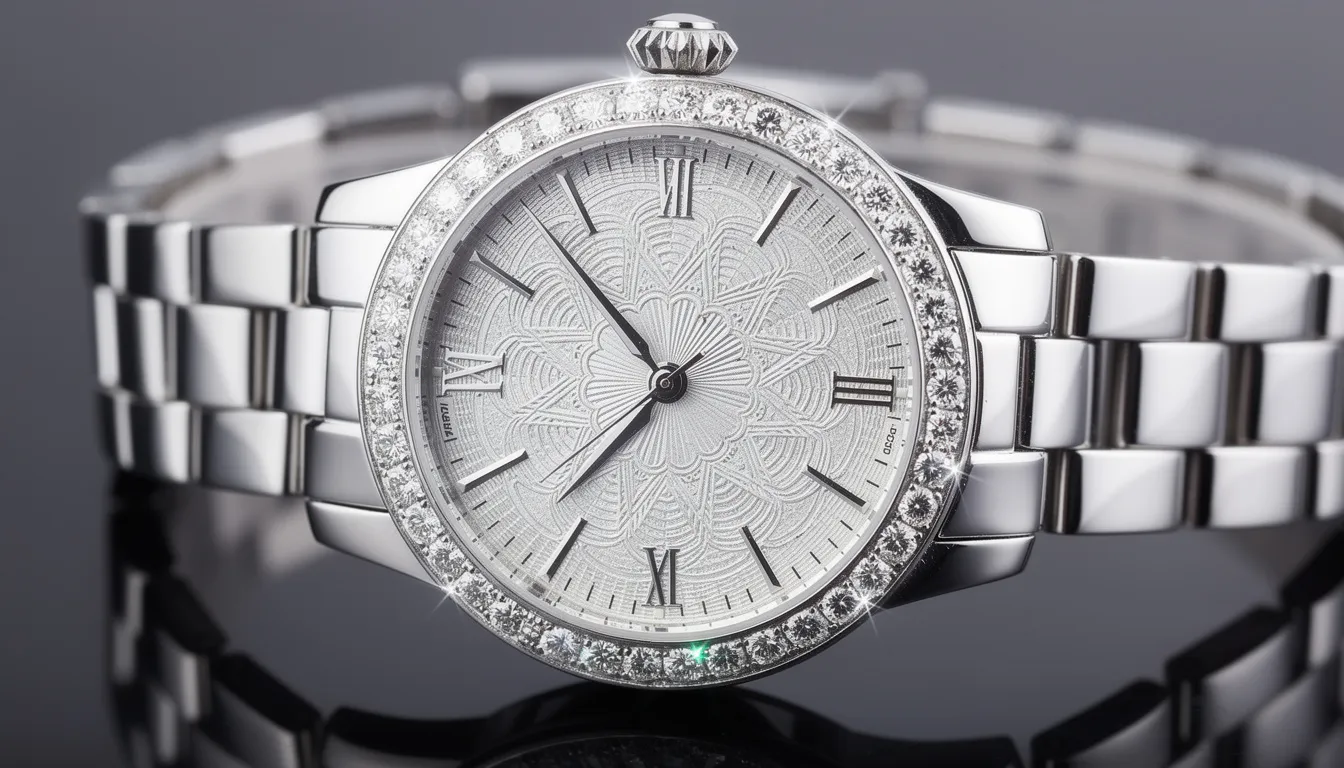
Adding diamonds and gemstones has reached a perfect balance between being wearable every day and looking high-end. Diamond set bezels give a touch of glamour without being impractical. Mother-of-pearl dials add a touch of organic shine that changes with the light. And coloured gemstone hour markers like sapphires, rubies and emeralds allow women to add some personality to their watch while still keeping it legible. These embellishments take women’s luxury watches to the next level without compromising on the watch’s core functionality.
The number of mechanical and high-horology watches for women has gone through the roof. Automatic movements that were once mainly for men’s collections are now found in women’s watches across price points. Open-heart dials that show off the mechanical workings are a hit with women who appreciate the technical side. And tourbillons and moonphase complications are being presented in designs that used to be considered too feminine for men’s watches. This makes sense because women are no longer assuming that looks trump substance.
Limited editions and capsule collections have become a huge deal in women’s luxury watches. Collaborations with female creatives and fashion houses create a buzz and a sense of urgency that drives sales. These special-edition watches often appreciate in value in the secondary market, which makes them super appealing to collectors and investors.
Sustainable materials are becoming a major focus for women’s luxury watch brands. Using recycled metals cuts down on waste, while vegan or bio-based strap options appeal to women who are worried about the environmental impact of their purchases. Lab-grown diamonds are identical to mined stones but without the ethical concerns. These innovations are a hit with European and North American buyers, and are starting to gain traction globally.
Intersection of Smart Tech and Luxury in Women’s Watches
The line between high-end mechanical watches and smartwatches has gotten pretty blurry, especially in women’s segments. This is creating both opportunities and challenges for brands that are trying to stay ahead of the curve.
Luxury brands are taking different approaches to connected watches. Some are partnering with established tech companies to tap into their expertise in software and connectivity. Others are developing their own connected platforms to keep control over the user experience. Both approaches are aimed at delivering notifications, fitness tracking and wellness metrics in a form factor that looks like a luxury watch.
A lot of women today own multiple watches for different purposes. A high-end mechanical timepiece takes care of formal and professional situations, while a premium smartwatch or hybrid takes care of health tracking, casual wear and situations that require some tech. This two-watch strategy benefits both categories – smart luxury watches attract new customers to the high-end market, while mechanical watches continue to deliver the heritage and permanence that smart devices can’t match.
When it comes to smart luxury watches, certain features prove to be game-changers for women buyers. Being able to track their menstrual cycle and reproduction health is super important for health awareness and family planning. Stress monitoring provides actionable insights for staying on top of things. And sleep analysis helps women make changes to their lifestyle to improve their daily performance. Seamless integration with their smartphone and productivity apps ensures that their watch doesn’t complicate their digital life.
Growth in smart luxury watches, often exceeding 10-15% annually in women’s segments, is a big contributor to the overall women’s luxury category’s performance. However, full-mechanical watches remain the pinnacle of prestige, unaffected by battery life limitations, software obsolescence and the need for constant updates.
Sustainability, Ethics, and Brand Storytelling
…Younger luxury shoppers – and particularly young women – are now looking at purchases through the lens of sustainability and ethics. its a values-driven decision that’s changing the way brands are now approaching things like material sourcing, manufacturing processes, and how they communicate about their values.
New materials that are both better for the environment and still manage to keep the luxury look go a long way. Think about it : using recycled steel which doesn’t compromise on quality or style. For the super precious – gold – we now have certified ethical gold sourced from refineries that know the score on sustainability. And then there’s the option of conflict-free or lab-grown diamonds – which look just as good but without the guilt. And let’s not forget about low-impact packaging – we’re talking reduced plastics, sustainable papers and reusable presentation boxes.
When it comes to communicating about all this sustainability and ethics stuff, it really makes a difference. In the US and Europe, where consumers are most aware of these issues, brands that are clear about their ESG initiatives get ahead. Think carbon-neutral production, fair mining practices and community development initiatives – all of which factor into how brands are viewed by consumers who care about the environment. Brands that can back up their claims are rewarded, and those that can’t risk losing out with customers who want to support companies that are doing good.
Now, don’t get me wrong – having a rich heritage is still super important in luxury. Brands with a century long history or iconic women’s models with real staying power – those are the ones that can really command a premium price.
But there’s a fine line to walk : the most effective brand positioning is one that weaves in narrative and ethics. That means positioning your luxury watches as family heirlooms that can be passed down through generations – while still being on board with modern standards on the environment and social responsibility. That dual appeal of timeless elegance meeting modern responsibility – that speaks to a pretty wide demographic.
Competitive Landscape: Key Players & Emerging Niches
We’ve got a pretty odd situation in the women’s luxury watch space – its consolidated at the top with the major Swiss and global groups dominating the market share. But at the same time, we’re seeing the space get more and more fragmented as niche players come in and start targeting female buyers.
Now, at the top level, you’ve got the big luxury houses and manufacturing groups – they’ve got huge positioning, distribution networks and manufacturing capabilities that make them pretty hard to beat. We’re talking about heritage brands with iconic jewelry watches and women’s lines that have been around for a century or more. Between them, the Swatch Group, LVMH and Richemont control a pretty big chunk of the market share.
Then you’ve got fashion-driven brands which are doing a great job in the $1,000 to $3,000 bracket – they’re all about fashion trends and distinctive designs that speak to younger demographics and fashion-conscious consumers. They’re really good at using digital marketing and celebrity partnerships to build their brand and resonate with their audience.
But there’s also a bunch of smaller, independent and micro-brand players who are really starting to shake things up – they’re targeting women’s mechanical watches, ethically sourced materials or minimalist aesthetics. These guys are often really good at building passionate customer communities through direct-to-consumer models and authentic founder narratives.
These emerging players are contributing to the dynamism and innovation in the market – while on their own they may not have a big impact on the overall market share, they’re helping to keep the competition on its toes.
Challenges & Risks to Continued Fast Growth
Despite all the good stuff happening in the market, there are some structural challenges that brands need to navigate to keep the momentum going.
First, there’s the competition from smartphones and wearables – and let’s face it, there’s a lot of young consumers who are defaulting to their phone for time-checking. And then there’s the smartwatches – which offer a level of functionality that mechanical watches just can’t match. Now, the luxury segment is all about emotional and status appeal, but this still has an influence on consumer behavior – particularly among tech-savvy consumers.
Then there are the macroeconomic risks – like inflation and interest rates, which can affect discretionary spending on luxury goods. And let’s not forget about the recession scenarios – which historically hit luxury goods pretty hard, with watches being one of the first categories to get affected.
And finally, there’s the problem of counterfeits and grey-market distribution – which erodes brand equity and consumer trust. It’s estimated that counterfeit products can make up to 10% of the market volume, and that just can’t be good for business.
Technological obsolescence risks start to weigh in on smart luxury watches in particular. The fact that high-end watches once looked timeless now threatens by those same watches incorporating fancy software that some day becomes unsupported. We’re talking watches with proprietary platforms that get left behind as tech evolves. Brands are now needing to find a fine line to balance the need to innovate with the need to stay around for a long time – while keeping a hold on heritage & the high-end luxury feel that’ll appeal to tech-savvy women yet still play to their sense of tradition.
Strategic Outlook: Why Women’s Luxury Watches Are Set to Keep Outpacing The Market
Looking ahead to the mid 2020’s and beyond – women’s luxury watches are likely to just keep on growing faster than the men’s luxury segment and even the women’s watch market in general. The main drivers behind this growth don’t look like they’re going to change anytime soon and are probably going to get even stronger.
For a long time now – the trends have been pointing in the same direction. Women’s wealth is rising right across our key markets – and these women are now in more positions of power & influence. They’re taking on more leadership roles, more careers – and starting their own businesses. And with that wealth comes more disposable income – which means more of a market for the kind of luxury watches our brands are selling. As for another stand out trend – the idea of treating ourselves to something special (luxury) is becoming more and more “normal” – rather than just waiting for someone else to give you a gift on a special occasion. This is expanding the market beyond just traditional milestone occasions.
When it comes to the watches themselves – our brands are doing all the right things – we are innovating & pushing boundaries in design, materials & tech – and that keeps our customers coming back for more and justifies the premium prices we’re charging.
Our brands are now able to see the writing on the wall when it comes to what works for us – so what should our focus priorities be? First off we need to be putting a lot more investment into creating watches specifically for women – rather than just making men’s watches with a few bits & bobs changed to make them more feminine. We need to offer more inclusive sizing options for women with different wrist sizes – and then spin a whole narrative around the kind of women who buy from us – not just the watch itself.
And let’s not forget about going digital – because that’s where the customers are now. Brands need to have a presence where our customers are doing their research, shopping & buying – and that’s increasingly online.
Here’s where things get really interesting – our brands are struggling to find the right balance between holding onto our heritage – which is a big part of what luxury is all about – and being able to innovate & bring new tech & features to the table. On the one hand our customers expect us to produce watches that are both beautiful & traditional – on the other hand they’re now more & more keen on having those new, fancy features that will keep their watches up to date – and if we don’t deliver on that, we’re going to get left behind.
Women’s luxury watches have become the driving force behind the growth of watch making – and that growth shows no signs of slowing down. It’s a market with a lot of opportunity for brands & retailers alike – whether you’re just starting to look into your first luxury watch or looking to add to your collection – this is a market that’s got it all – choice, quality & long term value potential & to death.
